 Wednesday, September 30, 2026
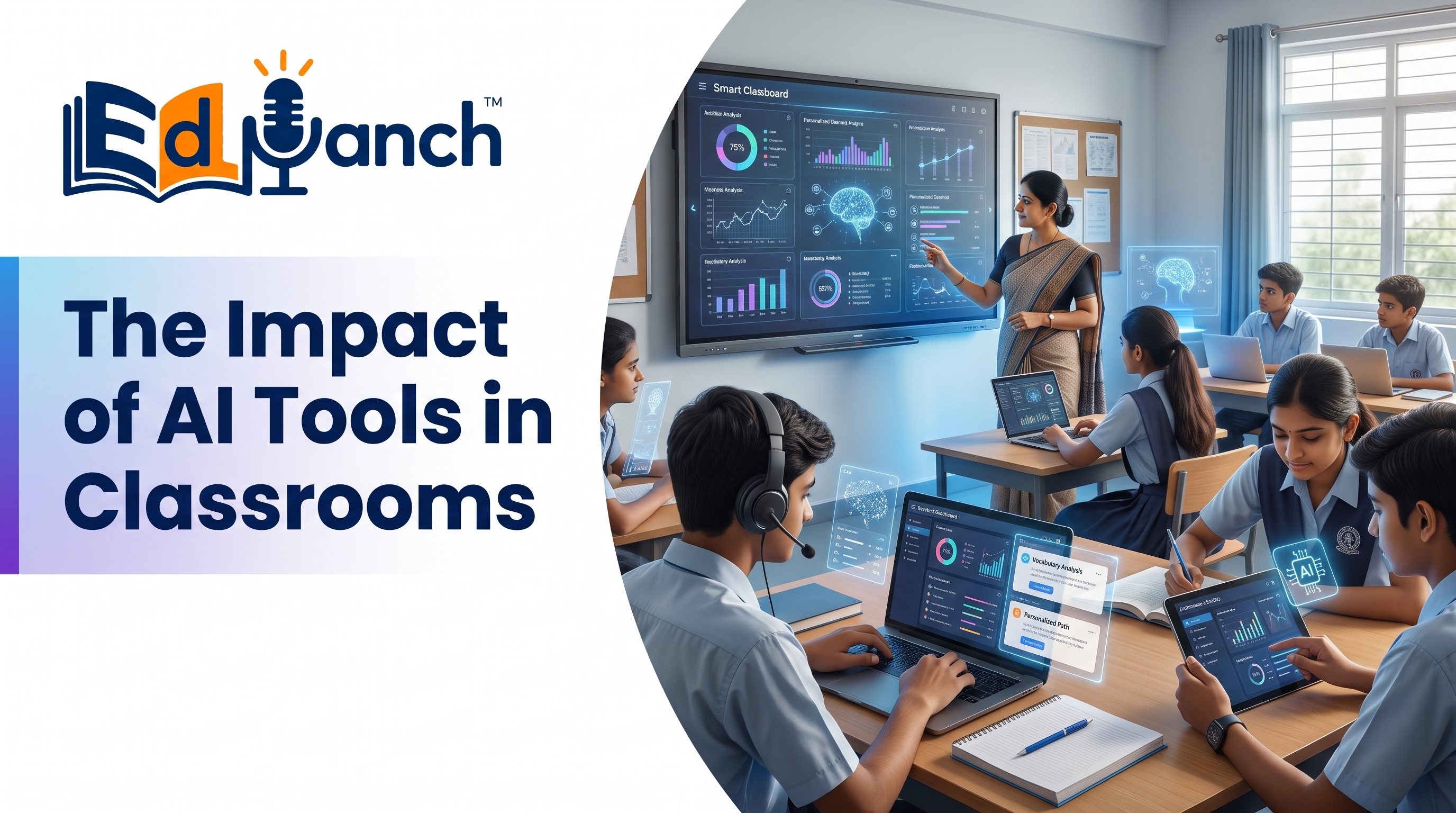
 The integration of generative artificial intelligence (AI) has initiated one of the most significant shifts in modern education history. Platforms like DeepSeek, ChatGPT, and Gemini are no longer viewed as futuristic novelties; they are actively reshaping classroom dynamics, curriculum design, and student-teacher interactions.





Introduction
The integration of generative artificial intelligence (AI) has initiated one of the most significant shifts in modern education history. Platforms like DeepSeek, ChatGPT, and Gemini are no longer viewed as futuristic novelties; they are actively reshaping classroom dynamics, curriculum design, and student-teacher interactions.
This rapid technological adoption has created a profound tension in education. On one side stands Innovative Learning, where AI acts as a powerful academic assistant that personalizes instruction, removes mechanical workloads, and fosters multimodal exploration. On the opposing side is the urgent need to protect Academic Integrity, as educators grapple with the substitution of cognitive effort, algorithmic bias, and automated plagiarism.
Striking a balance between these two priorities is the defining challenge for 21st-century educational institutions.
The Promise of Innovative Learning: Redefining Pedagogy
When intentionally integrated into the curriculum, AI tools serve as foundational catalysts for student-centered learning. Rather than replacing the human educator, these systems augment the learning experience in several key areas:
1. Advanced Personalization and InclusivityEvery classroom contains students with diverse learning speeds, strengths, and structural needs. AI-driven platforms can analyze individual learning patterns in real time, automatically adjusting the difficulty, pacing, and format of content to match a student's unique profile. For multilingual learners, neurodivergent individuals, or students with visual and auditory disabilities, AI acts as an accessibility bridge—providing instant translations, visual explanations, and speech-to-text formatting that allows all students to engage with grade-level content independently.
2. The Era of Multimodal ExplorationAI enables true multimodal learning, allowing a single academic topic to be explored through customized text, interactive simulations, automated coding tasks, and real-world case studies. Moving away from passive worksheet consumption, students can co-create knowledge with AI, using it to brainstorm ideas, structure complex arguments, or experiment with digital variables. Research indicates that this active, flexible approach can boost student engagement and improve overall knowledge retention.
3. Streamlining the Academic WorkloadBy automating or assisting with routine mechanics—such as basic note-taking, rough draft organization, and repetitive exercises—AI frees up cognitive space for both students and teachers. Educators can leverage AI to generate rubrics, draft sample responses, and provide immediate baseline feedback. This significant reduction in administrative tasks allows teachers to dedicate more time to what matters most: high-value mentoring, deep critical thinking exercises, and direct student support.
The Threat to Academic Integrity: The Risks of Unregulated AI
Despite the pedagogical opportunities, the widespread, easy accessibility of sophisticated generative models introduces serious structural challenges to traditional educational models.
1. Apparent Authorship and Cognitive SubstitutionThe most immediate problem confronting educational institutions is the ease with which AI can generate essays, resolve mathematical proofs, and write functional code. When students outsource their homework entirely to a language model, the AI practically replaces the student's own cognitive effort. This shortcut distorts traditional evaluation mechanisms and prevents the development of vital critical thinking, independent research, and problem-solving skills.
2. The Trap of Early Career "Deskilling"A growing concern among higher education leaders and researchers is the threat of "deskilling". When foundational tasks like basic data cleaning, literature summarization, or preliminary drafting are automated too early in a student's academic path, they miss out on developing the underlying capabilities required to evaluate complex outputs critically. Without these core skills, learners are highly vulnerable to accepting inaccurate data or biased "hallucinations" produced by the AI.
3. The Unreliability of Technological FixesMany institutions initially turned to automated AI-detection software to enforce academic honesty. However, systemic data has proven that these detection tools are fundamentally unreliable. Independent evaluations reveal unacceptable false-positive margins, frequently misidentifying original human text—especially work written by English as an Additional Language (EAL) learners—as machine-generated. Because minor word substitutions can easily bypass these algorithms, using software as the sole evidence for disciplinary action creates severe liability and ethical dilemmas.
Structural Comparison of Classroom AI Approaches
When considering classroom management, a restrictive approach attempts to entirely ban generative tools from the syllabus to protect traditional grading metrics. While this method aims to maintain complete absolute control, it ignores the reality of widespread technology access and misses an essential opportunity to prepare students for a highly digitized workforce.
An open, progressive framework shifts the goal post by actively integrating AI into the course structure as an ethical learning aid. By establishing transparent boundaries, teaching critical data evaluation, and mandating clear attribution protocols, educators can leverage the technological advantages while building student accountability.
Finally, the impact on assessment design changes dramatically between these systems. A legacy framework relies on generic take-home essays and standard multiple-choice testing, which can easily be completed by an automated bot. A future-ready blueprint prioritizes process-based evaluations, in-class oral presentations, unique personal reflections, and applied real-world projects that generative models cannot easily replicate.
The Path Forward: Redesigning Education for the AI Era
Upholding the integrity of the educational process while embracing innovative learning requires a deliberate, multi-layered strategy from institutional leaders and educators:
- Establish Explicit Classroom Policies: Faculty must clearly define the boundaries of acceptable technology use in their course syllabi. Policies should detail when AI can be used for brainstorming or editing, and specify clear attribution protocols for any AI-assisted work.
- Transition to Process-Based Assessments: Rather than evaluating only the final written product, grading rubrics should focus on the student's progressive learning journey. Assessing early research outlines, peer-review sessions, reflection journals, and live project defenses minimizes the utility of cheating.
- Embed AI Literacy as a Core Objective: Schools must actively teach students how to work with modern technologies responsibly. This includes training students to critically evaluate machine outputs, identify underlying algorithmic biases, verify sources independently, and challenge unverified data assumptions.
Frequently Asked Questions (FAQs)
Q1: Can AI tools fully replace human teachers in the classroom?No. Current global educational guidelines and expert consensus do not frame AI as a replacement for teachers. While AI can automate grading and customize lesson plans, human educators remain absolutely essential for mentorship, emotional care, social-emotional learning, and moral judgment.
Q2: Why are current AI-detection software tools considered unreliable by experts?Independent evaluations show that AI detectors have high error rates, frequently producing false positives that incorrectly flag original human writing as machine-generated. Furthermore, students can easily bypass these detectors by making minor edits or introducing intentional formatting errors.
Q3: How does using generative AI create a risk of "deskilling" for early researchers?If students rely on AI to handle fundamental academic steps—such as organizing data, summarizing research papers, or structuring primary drafts—they miss out on building the basic cognitive skills required to analyze logic, catch errors, and evaluate information critically.
Q4: What is a process-based assessment, and how does it prevent cheating?A process-based assessment evaluates a student's step-by-step learning journey rather than just the final submission. By grading initial brainstorming outlines, rough drafts, peer reviews, and oral explanations, teachers ensure the student is genuinely doing the work.
Q5: How can a student ethically cite information generated by an AI tool?When generative tools are permitted for an assignment, students should treat the platform as a non-human creator. The citation should clearly state the specific tool used (e.g., OpenAI's ChatGPT or Google's Gemini), the exact prompt entered, the date the text was generated, and the specific text block used.
Q6: What does the term "metabolic flexibility" mean in educational AI tracking?In technology governance, flexibility refers to an educational institution's structural ability to adapt its policy frameworks dynamically to shifting algorithmic updates, balance security controls, and pivot teaching methodologies as technology changes.
Q7: Can AI tools accidentally widen the educational digital divide?Yes. If advanced, high-performing AI tools are locked behind expensive private subscriptions, wealthy students gain an unfair academic advantage. To prevent this, educational systems must push for an equity-first approach, providing fair, institutional access to tools for all students.
Q8: How does algorithmic bias in educational AI models affect minority viewpoints?AI models are trained on historical datasets that may contain cultural stereotypes or structural biases. If left unmonitored, the curriculum tools can present biased perspectives as objective facts, potentially marginalizing minority viewpoints.
Q9: Should schools completely ban generative AI tools to protect student data privacy?While total bans are difficult to enforce and miss valuable future-skill opportunities, protecting student data privacy is a top priority. Schools should implement transparent policies, ensure vendors comply with strict child data privacy rules, and obtain informed family consent.
Q10: What is the single most important element of a future-proof school AI policy?The most critical element is continuous, high-quality professional development for teachers. Educating teachers on how AI tools function ensures they can guide students in using technology ethically and design assignments that value authentic learning.








.png)
.png)
.png)
.png)
.png)

.png)

.png)



.png)
.png)