 Monday, November 16, 2026
 A well-written, ATS-compatible resume tailored to each role significantly improves a student's chances of being shortlisted for internships and placements in India's competitive job market.





Introduction
Every year, millions of students across India graduate from colleges and universities and enter one of the most competitive job markets in the world. The gap between academic performance and career opportunity is often not a matter of skill or intelligence. It is, very frequently, a matter of how well a student presents themselves on paper. A resume is not just a document. It is the first impression a recruiter forms of a candidate, and in most cases, that impression is formed within seconds.
The challenge for Indian students is that resume writing is rarely taught formally in colleges. Most students either copy a format from a friend, download a template from the internet, or rely on placement cells that offer generic guidance. The result is a flood of resumes that look the same, say the same things, and do very little to help any individual stand out.
This guide by Edumanch is designed to change that. Whether a student is preparing for campus placements, applying for internships, or sending applications to companies on platforms like Naukri, LinkedIn, or Internshala, the guidance here applies directly and practically to the Indian context in 2026.
Understanding What a Resume Is Really For
Before getting into the specifics of format and content, students must first understand the purpose a resume serves. A resume is not a life story. It is not a certificate collection. It is a targeted marketing document designed to get one specific outcome: an interview call.
This distinction matters because it changes how students think about every line they write. The question to ask at every stage is not "Should I include this?" but rather "Does this make a recruiter want to call me for an interview?"
In the Indian hiring context, there is also an important distinction students need to understand. A resume is different from a CV (Curriculum Vitae) and very different from a biodata. A CV is a longer academic document used for research and teaching positions. A biodata is a personal document used for government or matrimonial purposes that includes personal details like religion, caste, and family background. Students applying for private sector jobs, startups, or MNC roles should always submit a resume, not a biodata.
Building the Right Foundation: Format and Structure
Choose the Correct Resume FormatThe most widely recommended format for Indian students and freshers is the reverse-chronological format. This means listing the most recent experience or education first, followed by older ones. It is clean, easy to read, and preferred by the vast majority of recruiters in India.
For students with no internship experience at all, a skills-based or hybrid format can work better because it leads with what the candidate can do rather than what they have not done yet.
Keep It to One PageA student or fresher resume in India should almost always be one page. Recruiters at major Indian companies and campus placement drives receive hundreds of applications. A concise, well-structured one-page resume is far more effective than a two-page document padded with unnecessary information. Every line on the resume must earn its place.
Use a Clean, ATS-Compatible LayoutMany companies in India, including large IT firms, FMCG companies, and BFSI organizations, use Applicant Tracking Systems (ATS) to scan resumes before a human recruiter ever sees them. An ATS reads the text in a resume and filters candidates based on keywords and formatting. A resume with decorative fonts, tables, columns, text boxes, or graphics may confuse the ATS and result in automatic rejection.
Students should:
- Use a single-column layout with standard fonts like Calibri, Arial, or Times New Roman
- Avoid headers and footers for important information, as ATS often skips those
- Save the final document as a PDF unless the employer specifically asks for a Word file
- Avoid photographs unless specifically requested
What to Include: Section by Section
Contact InformationThe top of the resume should include the student's full name, phone number, a professional email address, LinkedIn profile (if well-maintained), and city. Personal details like date of birth, religion, marital status, and caste have no place in a professional resume in 2026. Indian hiring practices have moved well past requiring these for private sector applications.
Career Summary or ObjectiveA two to three line career summary placed just below the contact information is valuable for freshers. The summary should mention the student's degree, specialization, top skills, and the kind of role they are targeting. A vague statement like "seeking a challenging position" should be avoided entirely. Something specific like "Final-year B.Com student with strong foundation in financial accounting and Excel. Seeking a finance analyst internship with a growth-focused organization" is far more effective.
EducationFor most Indian students, education is the strongest credential and should appear prominently, especially before any experience section. Include the degree, institution name, year of passing, and CGPA or percentage. If the CGPA is strong (above 7.5 on a 10-point scale or above 75 percent), it should be highlighted. Class 12 marks can be included if they are strong. Class 10 marks are optional unless specifically asked for, which some IT companies do require during their application process.
SkillsThe skills section should list technical and domain-specific skills rather than soft skills like "good communication" or "team player." These phrases are overused and add no real value. Instead, students should list tools, software, programming languages, platforms, or domain knowledge that is directly relevant to the roles they are applying for. For engineering students, this means coding languages and frameworks. For management students, this means tools like Excel, Tally, Canva, or CRM platforms. For science students, this includes laboratory techniques, research methodologies, and relevant software.
Internships and Work ExperienceAny internship, part-time job, or freelance work should be listed here with the organization name, role, location, and duration. Even a one-month internship is worth including if the student gained relevant experience. The description of each role should use action verbs and, wherever possible, include numbers or outcomes. "Assisted in social media campaigns" is weak. "Managed Instagram content calendar and contributed to a 20 percent increase in engagement over two months" is strong.
ProjectsFor students who have not completed any formal internship, the projects section becomes the most important part of the resume. Academic projects, personal projects, hackathon submissions, and open-source contributions all count. Each project should describe what was built or done, which tools or technologies were used, and what the outcome was. Recruiters, especially in the technology sector, look at this section carefully to assess practical skills.
Certifications and Online CoursesCertifications from recognized platforms like NPTEL, Coursera, Google, AWS, Microsoft, NASSCOM, or IIMs add credibility to a student resume. These should be listed with the certification name, the platform or institution, and the year completed. This section matters particularly for students applying to tech, digital marketing, and data roles.
Extracurricular Activities and LeadershipThis section is often underestimated. Organizing a college fest, leading an NSS chapter, captaining a sports team, or holding a position in a student council all demonstrate real-world skills like planning, teamwork, and leadership. For students with limited work experience, this section can be a meaningful differentiator.
Common Mistakes Indian Students Must Avoid
Even well-prepared students often undermine strong resumes with avoidable mistakes. The following patterns appear frequently in student resumes across Indian colleges:
- Using a generic resume for every application without tailoring it to the specific role or company
- Including a photograph without being asked, which is no longer considered standard in most private sector applications
- Using vague, passive language instead of strong action verbs
- Listing soft skills without evidence or context
- Using decorative templates with multiple columns, graphics, or unusual fonts that break ATS readability
- Exaggerating skills or listing tools they are not actually familiar with, which creates problems at the interview stage
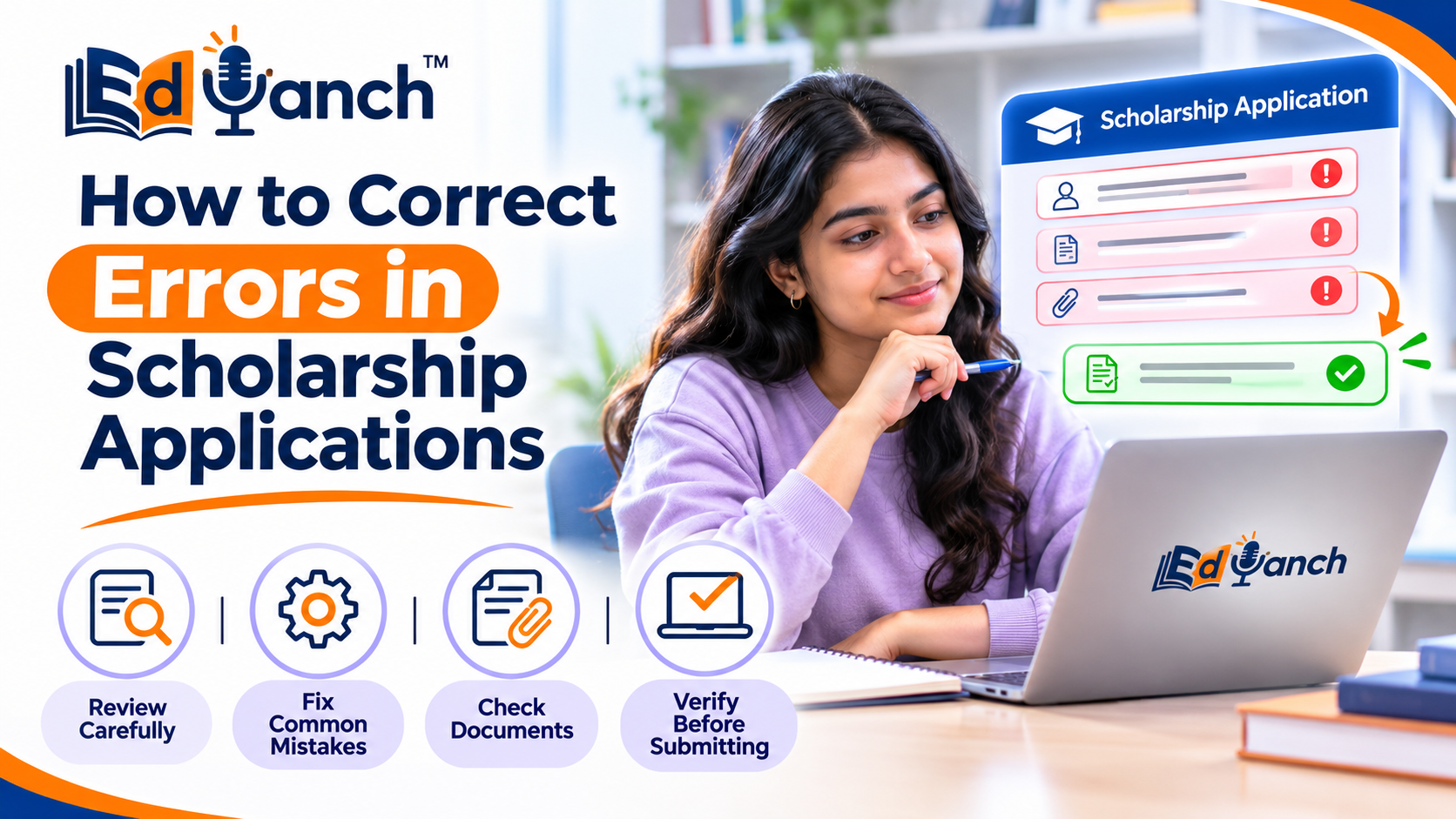
- Forgetting to proofread, leaving behind spelling errors or grammatical mistakes that hurt credibility
Tailoring the Resume for Each Application
One of the most important resume writing tips for students is to never use the exact same resume for every job application. A tailored resume performs significantly better because it aligns with the specific language and requirements of the job description.
Before applying, students should read the job description carefully and identify the keywords and skills the employer is looking for. Those keywords should be reflected in the resume, particularly in the skills and summary sections, as long as they genuinely represent the student's capabilities.
For applications on platforms like Naukri, students should also optimize their profile headline to include their degree, specialization, and target role. Recruiters on Naukri actively search by keyword and filter by the date a profile was last updated, so maintaining an active, updated profile is important alongside a well-written resume.
What Indian Recruiters Are Looking For in 2026
The Indian hiring landscape has evolved considerably. Recruiters across sectors are prioritizing demonstrated capability over marks and grades. Several trends are reshaping what a strong student resume looks like in 2026:
- Practical project experience and portfolio links are increasingly valued, especially in technology and creative fields
- Certifications from reputable online platforms are being treated as credible evidence of skill
- ATS optimization is no longer optional; it is a basic requirement for any company using digital hiring pipelines
- LinkedIn profiles are being checked alongside resumes, and a well-maintained profile strengthens the overall application
- Quantified achievements, even from academic or extracurricular work, are far more persuasive than vague descriptions
Students who approach resume writing with the same seriousness they bring to examinations are consistently the ones who move to the interview stage faster.
Frequently Asked Questions
Q1: How long should a student resume be in India?
A student or fresher resume in India should ideally be one page long. Recruiters spend very little time on each resume, and a concise, well-structured single page communicates more effectively than a multi-page document with filler content.
Q2: Should students include a photo in their resume in India?
Students should not include a photo in their resume unless the employer specifically requests one. Modern hiring practices in India, especially in the private sector and MNC roles, do not require a photograph, and it can sometimes create unconscious bias.
Q3: What is an ATS-friendly resume and why does it matter for Indian students?
An ATS-friendly resume is formatted in a way that can be correctly read by Applicant Tracking Systems, the software that many Indian companies use to filter applications. A resume that is not ATS-compatible may never reach a human recruiter, even if the candidate is well-qualified.
Q4: Should a fresher put objective or summary in their resume?
Both are acceptable, but a career summary that specifies the target role and top two skills performs better than a vague objective statement. Avoid generic phrases like "seeking a challenging position" as they add no value and are ignored by recruiters.
Q5: Can a student include personal projects in their resume if they have no internship experience?
Yes, personal projects are highly valuable for students with no formal internship experience. Describe what the project involved, the tools or technologies used, and any measurable outcome achieved. Recruiters in India, especially in the tech sector, actively look for project-based evidence of practical skills.
Resources
- National Skill Development Corporation (NSDC): India's primary body for skill development, with resources on career readiness and employability for students
- UGC (University Grants Commission), ugc.ac.in: Offers guidelines on higher education, career pathways, and institutional resources for Indian students
- NCERT Career Guidance Portal, ncert.nic.in: Provides structured career and academic guidance relevant to Indian educational pathways
- NASSCOM Talent Platform: Offers certification programs and career resources specifically relevant to technology and digital roles in India
- LinkedIn Learning India: A widely recognized platform for certifications that Indian recruiters value, particularly in business, technology, and creative domains
Interlinking Keywords:
student resume format India, fresher resume tips, ATS-friendly resume, internship resume India, campus placement preparation, career readiness for students, online certifications for students, Naukri profile tips, college to career India, how to write a resume
Last reviewed by:
Edumanch Editorial and Education Guidance Team on September 5, 2026
Disclaimer:
The information in this article is intended for general educational guidance only. Resume standards and recruiter expectations may vary across industries, companies, and regions in India. Students are advised to research specific employer requirements and seek guidance from their institution's career or placement cell before finalizing their application materials. Edumanch does not guarantee job placement or interview outcomes based on adherence to the tips mentioned here.