 Monday, November 16, 2026
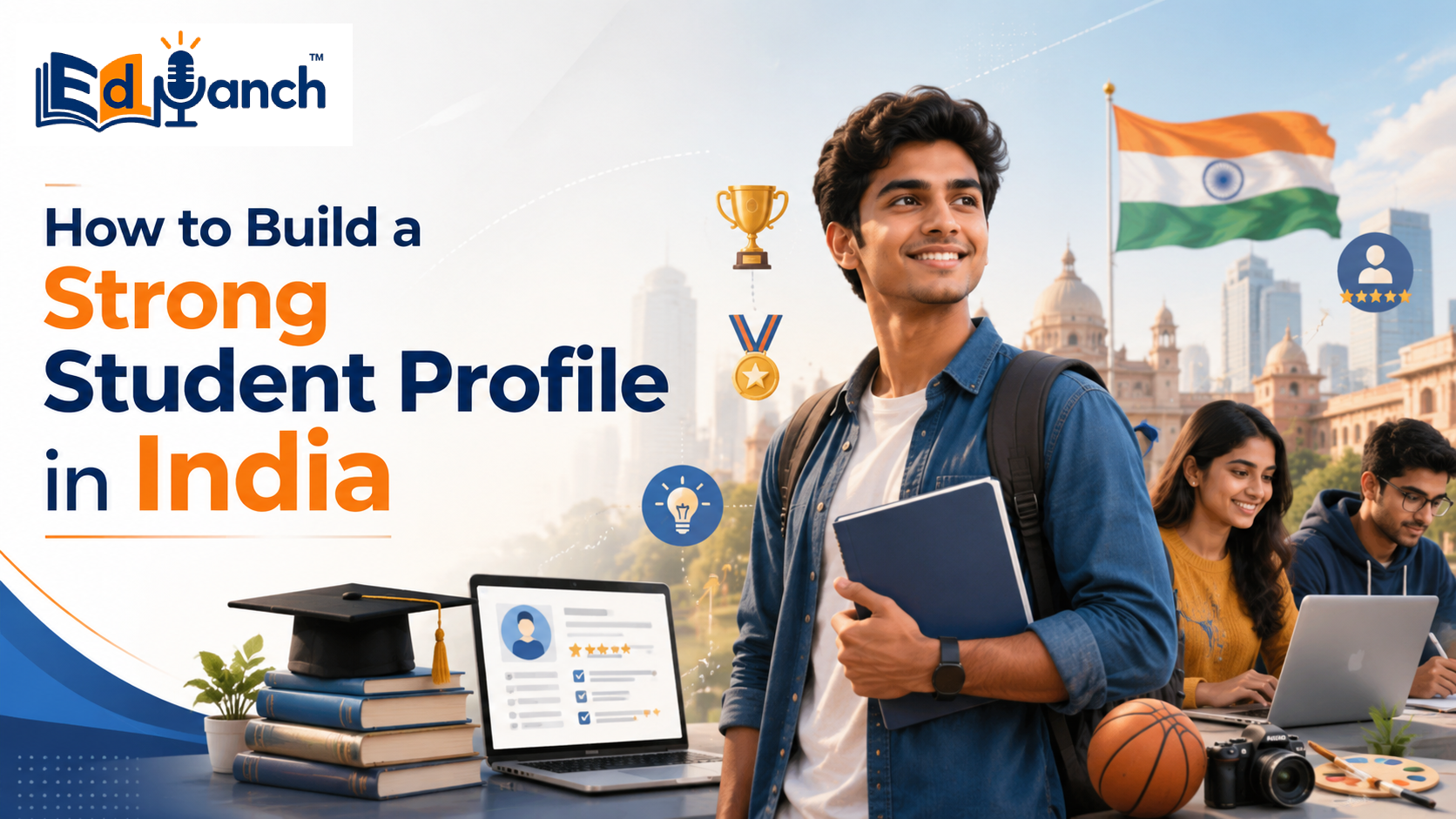
 This guide explains how Indian students can build strong profiles through academics, extracurriculars, leadership, certifications, community service, and a compelling personal narrative for college and career success.





Introduction
Every year, millions of Indian students sit for board exams, entrance tests, and scholarship interviews, carrying the same dream of securing a seat in a reputed institution or landing a competitive opportunity. Yet only a fraction of them stand out. The difference rarely lies in marks alone. It lies in the strength and depth of a student profile.
A student profile is far more than a marksheet or a list of grades. It is the complete picture of who a student is, what they have done, what they are capable of, and where they are headed. For Indian students navigating the increasingly competitive landscape of college admissions, scholarship applications, internships, and early career opportunities, building a strong student profile has become one of the most important tasks of their academic journey.
This guide walks students, parents, and educators through every essential element of a strong student profile, offering practical and actionable guidance rooted in the Indian education context.
Understanding What a Student Profile Really Means
Before building a profile, it is important to understand what the term actually covers. A student profile is a holistic representation of a student across multiple dimensions. It includes academic performance, standardized test scores, extracurricular participation, leadership experience, certifications, community service, research or project work, digital skills, and personal narrative.
In the Indian education system, academic excellence has traditionally been treated as the only measure of student potential. That is changing rapidly. Institutions like Ashoka University, Symbiosis International University, O.P. Jindal Global University, and leading IIMs now actively look beyond percentages and scores. National and international scholarship programs, including the National Talent Search Examination (NTSE), Kishore Vaigyanik Protsahan Yojana (KVPY), and international merit scholarships, evaluate students on a combination of intellectual ability, curiosity, leadership, and contribution.
For students aiming at global opportunities, a strong profile is even more critical. Whether the goal is a seat at a foreign university, a prestigious fellowship, or a coveted internship, the profile does all the talking.
Building Academic Excellence as the Foundation
Academic performance remains the starting point of any strong student profile. For most Indian students, board exam results from CBSE, ICSE, or State Boards, and entrance exam performance in tests like JEE, NEET, CUET, CLAT, or CAT, form the core of their academic record.
Consistent performance across academic years matters more than a single exceptional result. Colleges and scholarship committees look for students who demonstrate intellectual commitment over time, not just last-minute preparation. Students should aim for strong results in every year of their schooling, not only in Class 10 or Class 12.
Beyond regular board exams, participation in subject-specific Olympiads such as the International Mathematics Olympiad (IMO), National Science Olympiad (NSO), and International English Olympiad (IEO) adds significant academic credibility to a profile. These competitions signal genuine intellectual interest beyond the classroom.
Students who struggle with certain subjects should address those gaps early. Seeking academic support, developing disciplined study habits, and tracking improvement over time all contribute to a stronger academic narrative.
Developing Extracurricular Activities and Interests
Extracurricular activities are no longer optional additions to a student profile. They are essential. Colleges, employers, and selection committees use them to assess personality, commitment, creativity, and the ability to manage responsibilities outside academics.
The key is not the quantity of activities but the depth of involvement. A student who has actively participated in their school debate team for three years, progressed to district or state-level competitions, and perhaps served as team captain communicates far more than a student who lists ten activities with no significant involvement in any of them.
Indian students have access to a wide range of extracurricular avenues:
- Sports at the school, district, state, or national level
- Performing arts including music, dance, and theatre
- Literary activities such as writing, journalism, and public speaking
- Science and technology clubs, robotics teams, and coding groups
- Social initiatives, environment clubs, and student-led campaigns
- Cultural fests, inter-school competitions, and Model United Nations (MUN) conferences
Students from Tier 2 and Tier 3 cities should not feel limited. Many national competitions are conducted online or at district levels, making participation possible regardless of location.
Gaining Leadership Experience and Taking Initiative
Colleges and scholarship programs across India and globally place significant value on leadership. Leadership does not mean holding a title. It means taking initiative, guiding others toward a goal, managing challenges, and creating a positive impact within a group or community.
Leadership experience can come from many settings. Serving as a school prefect, house captain, or student council member is a formal route. But leadership is equally demonstrated through organizing a community event, founding a school club, leading a project team, mentoring younger students, or coordinating a fundraising drive for a cause.
The National Service Scheme (NSS) and National Cadet Corps (NCC) are two government-supported programs available to students across India that offer structured leadership and service experiences. Participation in these programs is recognized by most Indian universities and many scholarship bodies as a mark of civic commitment and character.
Students should seek out leadership opportunities early and document their contributions carefully. Maintaining a record of what was done, what was achieved, and what was learned is valuable when writing application essays or preparing for interviews.
Earning Certifications and Developing Relevant Skills
In a fast-changing world, skills and certifications increasingly define a student's profile alongside academic credentials. For Indian students, platforms like SWAYAM, NPTEL, Coursera, and edX offer free or affordable access to high-quality courses across technology, management, humanities, and sciences.
Certifications in areas such as digital literacy, data analysis, coding, financial literacy, communication skills, and foreign languages signal to colleges and employers that a student is proactive about learning beyond the classroom.
Students interested in science and technology can explore certifications in Python programming, artificial intelligence basics, or robotics. Students inclined toward business and management can pursue courses in entrepreneurship, marketing fundamentals, or financial planning. Arts and humanities students can build portfolios through creative writing courses, graphic design tools, or digital media programs.
The SWAYAM platform, supported by the Ministry of Education, offers hundreds of certified courses that are recognized by Indian universities under the credit transfer framework. This is particularly valuable for students who want to demonstrate academic initiative within the formal Indian education structure.
Community Service and Social Contribution
A commitment to community and society adds a powerful dimension to any student profile. It signals empathy, social awareness, and the willingness to contribute beyond personal benefit. For scholarship applications in particular, community service is often a deciding factor.
Community service in the Indian context can take many forms. Volunteering with local NGOs, participating in cleanliness drives under the Swachh Bharat Mission, tutoring underprivileged children, supporting digital literacy programs in rural areas, or contributing to health awareness campaigns during school holidays are all meaningful ways to build this aspect of a profile.
Students should approach community service with genuine intent rather than viewing it as a checkbox exercise. Selection committees are experienced at distinguishing between authentic involvement and superficial participation. Documenting community work through photos, letters from organizations, or written reflections adds credibility to these contributions.
Crafting a Personal Statement and Narrative
The personal statement or statement of purpose is the element that brings a student profile to life. It is the student's opportunity to speak in their own voice and explain who they are, what drives them, and why they deserve the opportunity they are seeking.
A strong personal statement is honest, specific, and reflective. It should answer questions such as: What experiences have shaped this student? What is their academic or career goal? Why is this particular institution or opportunity the right fit for them? What unique perspective do they bring?
Indian students often struggle with personal statements because the format is less familiar in the domestic education context. However, as more Indian students apply to liberal arts colleges, international programs, and competitive fellowships, the personal statement has become a critical skill to develop.
Students should begin drafting their personal narrative early, seek feedback from teachers or mentors, and revise it thoughtfully. A personal statement written in a hurry rarely reflects the full potential of the student writing it.
Documenting and Organizing the Profile
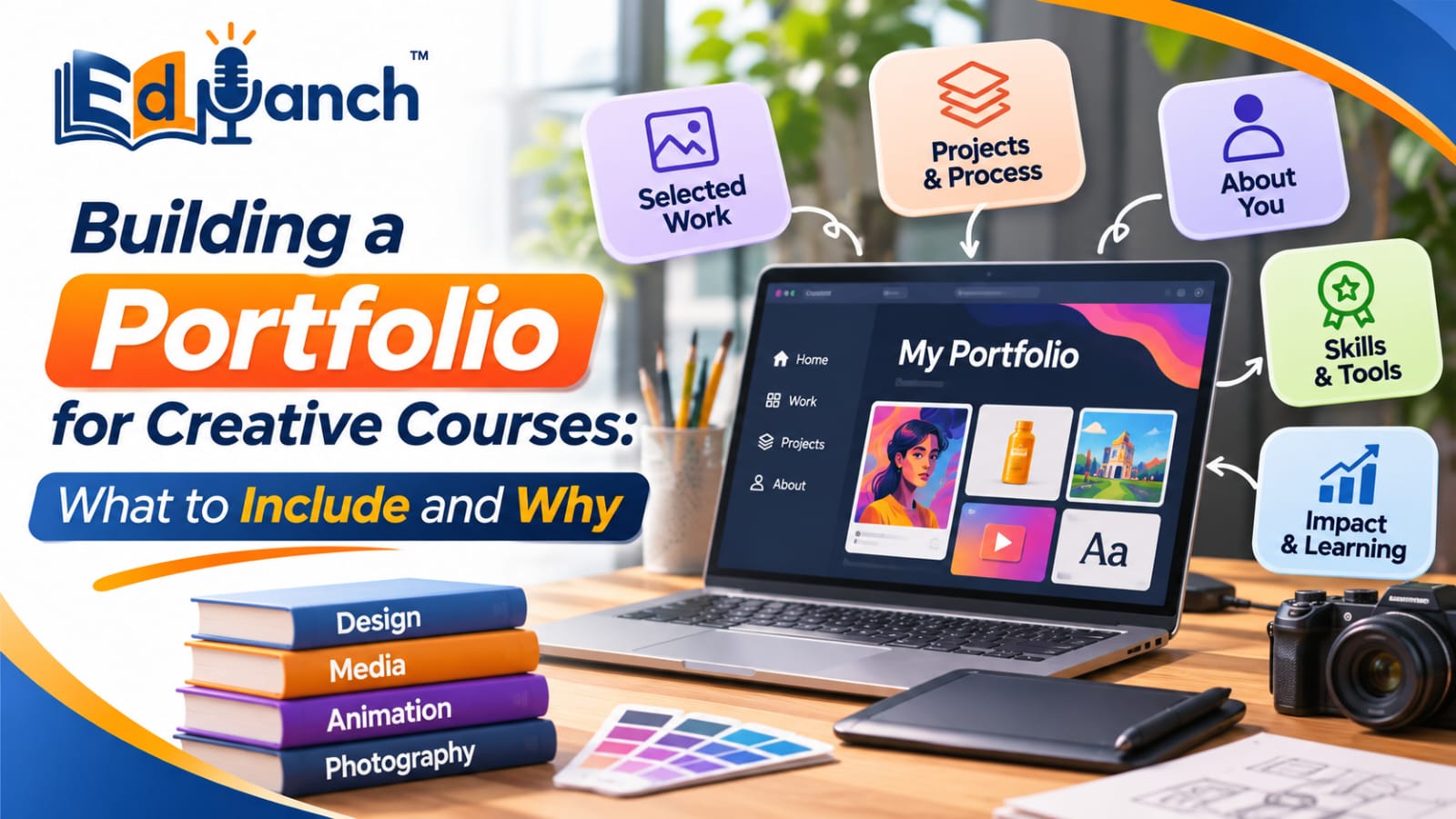
A strong student profile is only useful if it is well organized and easy to present. Students should maintain a portfolio that includes:
- Academic transcripts and report cards
- Certificates from competitions, Olympiads, and extracurricular activities
- Certification documents from online courses
- Letters of recommendation from teachers or mentors
- Records of community service participation
- A well-written personal statement
- Any published work, research submissions, or project documentation
Digital portfolios are increasingly accepted and even preferred. Platforms like LinkedIn, Behance (for creative students), or a simple personal website can serve as a professional digital presence for students entering undergraduate programs or the job market.
Edumanch regularly publishes guidance on scholarship opportunities, exam updates, and student resources that can help students identify the right programs and opportunities to strengthen their profiles throughout their academic journey.
Frequently Asked Questions
Q1: What is a student profile and why does it matter?
A student profile is a comprehensive record of a student's academic achievements, extracurricular activities, skills, certifications, and personal accomplishments. It matters because colleges, scholarship committees, and employers use it to evaluate a student's potential and readiness beyond marks alone.
Q2: How early should a student start building their profile?
Students should ideally start building their profile from Class 9 or Class 10. Early participation in competitions, volunteer work, and skill development programs creates a richer and more credible profile by the time of college applications.
Q3: What are the most important components of a strong student profile?
The most important components include consistent academic performance, standardized test results, extracurricular involvement, leadership roles, recognized certifications, community service, and a strong personal statement that communicates the student's goals and character.
Q4: Do Indian colleges consider extracurricular activities in admissions?
Yes, many Indian colleges and universities, especially premium institutions like IIMs, Ashoka University, XLRI, and Symbiosis, increasingly consider extracurricular achievements, leadership experience, and community involvement alongside academic scores during their selection process.
Q5: How can a student from a Tier 2 or Tier 3 city build a competitive profile?
Students from Tier 2 and Tier 3 cities can build strong profiles by participating in online Olympiads, national-level competitions, government scholarship programs, NPTEL courses, and digital skill platforms like SWAYAM, which are fully accessible regardless of geographic location.
Resources
- SWAYAM (swayam.gov.in): Government of India's national online education platform offering free certified courses recognized by Indian universities under the credit transfer framework.
- National Talent Search Examination (NTSE): Administered by NCERT, this is one of India's most prestigious scholarship examinations recognizing academic talent at the secondary school level.
- National Service Scheme (NSS): Ministry of Youth Affairs and Sports program that provides students with opportunities for community service and leadership development.
- NPTEL (nptel.ac.in): A joint initiative by IITs and IISc offering high-quality online courses with certification options across engineering, science, management, and humanities.
- University Grants Commission (ugc.ac.in): Regulatory body providing guidelines on academic standards, credit transfers, and student programs across Indian higher education institutions.
Interlinking Keywords:
student profile for college admissions, scholarship application tips India, SWAYAM certification courses, NTSE scholarship eligibility, extracurricular activities for students, personal statement writing guide, NSS NCC benefits for students
Last reviewed by:
Edumanch Editorial and Education Guidance Team on September 3, 2026
Disclaimer:
The information provided in this article is intended for general educational guidance purposes only. It does not constitute official academic or career counseling advice. Students and parents are encouraged to verify specific admission requirements, scholarship criteria, and program details directly with the respective institutions or official government portals before making any academic decisions.