 Wednesday, September 30, 2026
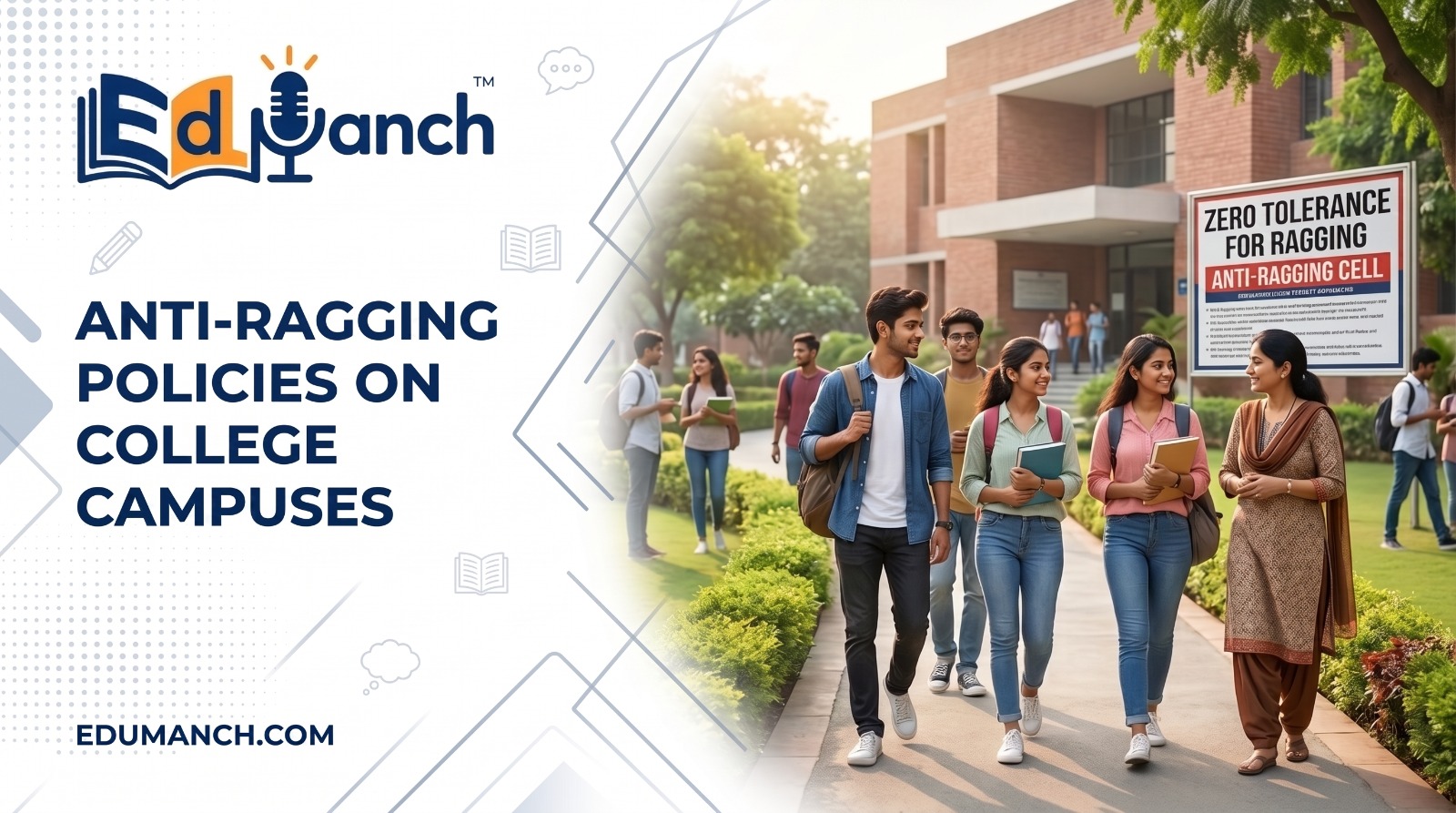
 The transition into higher education is a significant academic and personal milestone. Leaving secondary school to enter a college or university campus brings new independence, advanced learning opportunities, and fresh social circles. However, this critical shift can be overshadowed by a persistent systemic challenge: the threat of ragging.




INTRODUCTION
The transition into higher education is a significant academic and personal milestone. Leaving secondary school to enter a college or university campus brings new independence, advanced learning opportunities, and fresh social circles. However, this critical shift can be overshadowed by a persistent systemic challenge: the threat of ragging.
Historically dismissed by some as a harmless rite of passage or a casual way to break the ice, ragging has evolved into a serious issue that can involve psychological harassment, physical abuse, and severe emotional trauma. Today, global educational institutions, regulatory bodies, and legal frameworks recognize ragging as a major violation of human rights.
Implementing strict, comprehensive anti-ragging policies on college campuses is essential for protecting new students, supporting psychological welfare, and building a safe, inclusive academic culture.
The True Cost of Ragging: Beyond Physical Harm
Ragging is an exercise in unequal power dynamics that can cause deep, long-lasting damage that extends far past temporary physical discomfort:
- Severe Psychological Trauma: The emotional abuse and public humiliation experienced during ragging can trigger acute panic disorders, generalized anxiety, and clinical depression. For some students, this intense distress can lead to a total breakdown in mental well-being or a sense of hopelessness.
- Academic Disruption and Dropouts: Living under the constant fear of harassment makes it incredibly difficult for freshman students to focus on their studies. This persistent anxiety often leads to dropouts, skipped lectures, or sudden transfers to other institutions, derailing promising educational journeys.
- Erosion of Campus Community Trust: When ragging goes unchecked, it damages the social fabric of an institution. It creates an atmosphere of fear, suspicion, and hostility between seniors and juniors, replacing healthy peer mentorship with systemic tension.
4 Essential Elements of Effective Anti-Ragging Frameworks
A reliable anti-ragging policy requires a structured, multi-layered approach that prioritizes immediate student protection and clear institutional accountability:
1. The Strict Zero-Tolerance Legal Blueprint
Campuses must establish explicit, zero-tolerance policies that align directly with national and state laws (such as the UGC Regulations on Curbing the Menace of Ragging in Higher Educational Institutions in India). The campus handbook should clearly define what constitutes ragging—including verbal, physical, sexual, or psychological abuse—and outline strict, immediate penalties, such as suspension, expulsion, and the filing of formal criminal cases with local police.
2. Setting Up Independent Anti-Ragging Committees
Institutions must form active, independent Anti-Ragging Committees and internal monitoring squads. These teams should include faculty members, hostel wardens, student representatives, non-teaching staff, and local authorities. The squads should perform regular, unannounced inspections of high-risk campus areas, including student dining halls, common recreation areas, bus terminals, and off-campus housing facilities.
3. Creating Anonymous, Multi-Channel Reporting Pipelines
Freshman students often hesitate to report incidents out of fear of social isolation or further retaliation from senior students. To break this barrier, colleges must provide secure, confidential reporting channels, such as anonymous physical drop-boxes, 24/7 national emergency helplines, dedicated mobile applications, and web-based reporting portals.
4. Comprehensive Onboarding and Student Mentorship Programs
The most effective way to prevent ragging is to replace it with structured, positive alternatives. During the first few weeks of the academic year, colleges should host interactive orientation sessions, team-building exercises, and healthy ice-breaking events monitored by faculty. Pairing new arrivals with verified senior student mentors creates a supportive peer network that guides incoming students smoothly into campus life.
Structural Comparison of Campus Safety Strategies
When managing student integration, a hands-off, legacy approach often downplays ragging as an unofficial tradition, depending on informal warnings and reacting only after a serious incident occurs. This reactive style leaves freshman vulnerable, creates a culture of silence, and exposes the university to significant legal liabilities.
A proactive safety framework shifts the focus entirely by making anti-ragging compliance a core condition of student admission. By mandating signed behavior affidavits from both students and parents, establishing clear warning signs, and maintaining regular, active monitoring across campus, institutions can prevent harassment before it starts.
Furthermore, the approach to student onboarding changes dramatically between these systems. A legacy setup leaves seniors to organize unstructured, unmonitored welcome events, which can quickly cross the line into intimidation. A future-proof campus safety model prioritizes structured, faculty-guided peer mentorship programs and inclusive community workshops, building long-term respect and collaboration across all grade levels.
The Collaborative Path to Long-Term Campus Welfare
Ensuring student safety requires active cooperation from every segment of the university community:
- The Role of Faculty and Wardens: Educators and housing staff must stay highly observant, especially during the initial months of the academic year. Hostel wardens should be easily accessible, conduct regular nightly rounds, and ensure that freshman wings are secure and well-monitored.
- The Role of Senior Students: Student leaders, sports captains, and club presidents should actively set a positive example by rejecting toxic traditions and using their influence to foster a culture of mutual respect and helpful guidance for incoming peers.
- The Role of Parents: Families should maintain open, honest communication with their children during the college transition. Discussing the campus's anti-ragging rules openly encourages students to report uncomfortable situations early without fear of facing judgment.
Frequently Asked Questions (FAQs)
Q1: What legally qualifies as "ragging" on a modern college campus?
Ragging is defined as any disorderly conduct—whether through spoken or written words or aggressive physical actions—that teases, treats rudely, or handles an incoming student with insensitivity, causing them physical or psychological harm, shame, dread, or severe emotional discomfort.
Q2: Can a student face official legal action and police arrest for participating in ragging?
Yes. In many jurisdictions, including India, ragging is a recognized criminal offense. Educational institutions are legally required to file a formal First Information Report (FIR) with local law enforcement within 24 hours of receiving a verified complaint of physical or severe psychological harassment.
Q3: How do anonymous reporting channels protect a student from potential retaliation?
Secure channels—such as national digital helplines or encrypted web portals—allow a student to report an incident without sharing their name or student ID number. This process enables the university's anti-ragging squad to investigate the specific location or individuals involved while fully protecting the whistleblower's identity.
Q4: What are the typical institutional penalties for a student found guilty of ragging?
Depending on the severity of the incident, a student found guilty by the anti-ragging committee can face immediate suspension from classes, expulsion from campus housing, withholding of scholarships, a complete ban from representing the university in events, or permanent rustication from the institution.
Q5: Why are informal, unmonitored "ice-breaking" sessions considered risky?
Without faculty supervision or clear guidelines, informal senior-led interactions can easily shift into shifting power dynamics, where subtle psychological pressure or forced tasks can cross the line into distress, humiliation, and active ragging.
Q6: What should a freshman student do if they witness a peer being ragged on campus?
If you witness harassment, report the incident immediately to a trusted faculty member, a hostel warden, or use the campus's anonymous digital reporting tools. Stepping forward early helps prevent the situation from escalating and protects the welfare of the entire student body.
Q7: Are off-campus student accommodations covered under official anti-ragging policies?
Yes. Official anti-ragging regulations apply to all parts of an institution's ecosystem, covering incidents that happen inside the main campus classrooms, official hostels, sports fields, public transport vehicles, and private off-campus student rentals or surrounding student hubs.
Q8: How can student clubs and societies help eliminate ragging?
Student organizations can lead the transition toward a safer campus by replacing old initiation rituals with positive, collaborative welcome events, creative projects, and structured peer-mentorship initiatives that value fresh talent.
Q9: Can an entire college face penalties if it fails to curb ragging on its campus?
Yes. Regulatory bodies like the UGC have the authority to take strict action against non-compliant universities, including cutting off government development grants, pulling official university affiliations, or issuing public warnings that can severely damage the school's reputation.
Q10: What is the single most effective way to support a student recovering from an incident?
The most important step is to provide immediate, confidential access to professional psychological counseling, combined with strong academic accommodations and ironclad safety guarantees, helping the student process the trauma and rebuild their confidence safely.
Have you reviewed your campus's anti-ragging guidelines and student support options this term?









.png)
.png)
.png)

.png)
.png)

.png)

.png)



.png)
.png)