 Monday, October 05, 2026
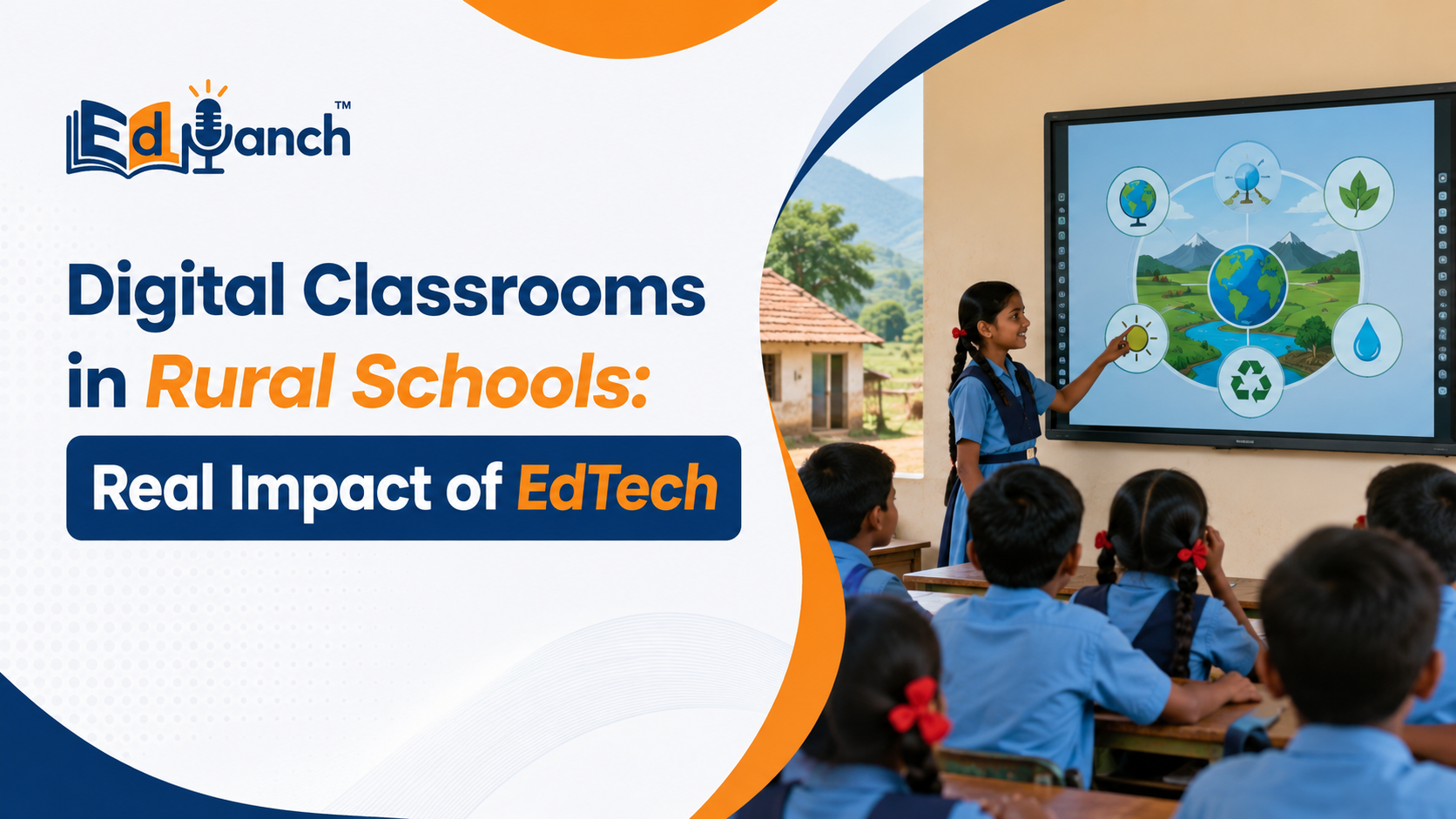
 The digital transformation of education is reshaping learning worldwide, but implementing digital classrooms in rural schools remains a complex challenge. While significant investments from governments, NGOs, and CSR initiatives are driving modernization, rural institutions continue to face unique infrastructural, technological, and operational barriers that require context-specific solutions.




The global landscape of education is undergoing a radical digital transformation. Over the past decade, national governments, non-governmental organizations (NGOs), and private corporate social responsibility (CSR) initiatives have poured substantial resources into modernizing educational institutions. However, while urban schools seamlessly transition into high-tech learning ecosystems, the deployment of digital classrooms in rural schools presents an entirely distinct set of structural, cultural, and operational realities.
Moving beyond the initial enthusiasm of hardware delivery requires looking past marketing promises and analyzing actual classroom impact. Is the installation of smart boards and tablets in remote schools truly closing the historic digital divide, or is it accidentally creating new forms of educational inequity? Succeeding with educational technology (EdTech) in resource-constrained environments demands an approach designed around local needs, infrastructural resilience, and comprehensive teacher support. This detailed, analytical guide evaluates the real-world impact of rural EdTech initiatives, addresses core systemic challenges, and maps out a practical blueprint for building sustainable digital classrooms that drive meaningful learning outcomes.
1. The Promise vs. Reality of Rural Educational Technology
When a school introduces digital tools, the primary goal is to shift the learning environment away from static instruction toward dynamic, student-centric interaction. In rural settings, this transformation holds profound promise, but the implementation gap can be severe.
The Access EquationIn many remote sub-districts and village schools, students lack access to updated libraries, functional laboratories, and specialized subject teachers. EdTech programs are frequently deployed to act as a great equalizer, bringing high-quality visual content, animated science simulations, and global learning repositories straight to classrooms that previously relied on outdated textbooks.
However, the assumption that simply placing hardware inside a school automatically improves learning is a significant policy mistake. Without a clear plan for daily usage, deep integration with local syllabi, and technical support, expensive digital displays can quickly turn into unused display pieces. True impact is determined not by how many devices are delivered, but by how effectively those devices modify daily teacher-student interactions.
2. Measurable Impacts of Digital Classrooms in Rural Schools
When digital tools are deployed with proper structural planning and aligned content frameworks, they can yield measurable improvements across key educational metrics:
A. Equalizing Content Quality Across DemographicsRural institutions frequently struggle with a shortage of specialized teaching staff, particularly in advanced mathematics, physics, and English language studies. Smart classrooms help address this deficit by delivering standardized, high-quality video lessons and step-by-step digital tutorials directly to remote areas. This ensures that a child studying in a remote village receives the same foundational content structure and conceptual clarity as a student in a major metropolitan center.
B. Boosting Student Engagement and Attendance TrendsTraditional rural schooling often relies heavily on rote learning and passive memorization. Introducing multimedia elements—such as colorful animated concepts, educational games, and interactive digital quizzes—transforms the learning experience. This interactive approach sparks curiosity, making abstract academic concepts easier to visualize. Schools utilizing structured digital media frequently report noticeable increases in daily student attendance, a drop in dropout rates, and an improvement in overall classroom participation.
C. Fostering Student Confidence and Self-Paced LearningEvery classroom contains learners who process information at different speeds. Digital learning environments give students the flexibility to pause, rewind, and re-watch difficult instructional modules at their own pace. This individualized approach is particularly valuable for students who miss school due to seasonal family demands or local travel challenges, allowing them to catch up on missed material independently and build long-term academic confidence.
3. Core Systemic Challenges: The Reality of the Digital Divide
Deploying modern educational technology inside underfunded rural public schools exposes deep infrastructure and resource limitations that urban-focused software designers rarely consider.
┌─────────────────────────────────────────────────────────────────┐
│ The Rural EdTech Implementation Barrier │
└────────────────────────────────┬────────────────────────────────┘
│
┌───────────────────────┼───────────────────────┐
▼ ▼ ▼
┌───────────────────┐ ┌───────────────────┐ ┌───────────────────┐
│ Infrastructure │ │ Teacher Ready │ │ Syllabus/Lang │
│ (Power Failures / │ │ (Tech Anxiety / │ │ (Non-Localized │
│ No Connectivity) │ │ Lack of Training) │ │ Content Formats) │
└───────────────────┘ └───────────────────┘ └───────────────────┘
The most immediate hurdle for any rural digital program is basic infrastructure stability. Many remote schools deal with daily, unpredictable power blackouts or lack consistent electricity entirely. Furthermore, high-speed, affordable internet connectivity is often non-existent in deep rural belts. Software that requires real-time cloud data streams or continuous online authentication is impractical for these environments.
B. The Teacher Readiness and Tech Anxiety GapTechnology should never be viewed as a replacement for a teacher; it is an amplifier of the teacher's capability. A major reason many rural digital classroom initiatives stall is the lack of ongoing professional training for local educators. Teachers who have spent decades using traditional blackboards are frequently expected to operate advanced interactive displays without receiving step-by-step technical guidance. This sudden shift can trigger technology anxiety, causing educators to stick with familiar methods and leave expensive hardware unused.
C. Curriculum and Language MismatchesA large percentage of commercially available EdTech applications are developed primarily for urban, English-medium demographics. When these programs are placed in rural public schools without being translated into regional languages or tailored to local state board syllabi, their educational value drops significantly. Content must be culturally relevant and directly aligned with national or regional educational standards to be truly useful in daily instruction.
4. Architectural Matrix: High-Resource vs. Rural-Optimized EdTech
To create sustainable digital classrooms in rural schools, hardware and software configurations must be carefully optimized for resource-constrained environments:
|
Evaluation Vector |
High-Resource Urban Setup |
Sustainable Rural-Optimized Setup |
|---|---|---|
|
Connectivity Dependency |
Continuous, real-time cloud streaming and data syncing. |
Completely offline-first operation via pre-loaded internal drives. |
|
Power Infrastructure |
Continuous reliance on a stable central power grid. |
Integrated solar backup packs or low-power tablet ecosystems. |
|
Language Orientation |
Monolingual, high-complexity English interface formats. |
Localized, multilingual regional content options. |
|
Software Management |
Requires manual configurations and onsite IT support. |
Plug-and-play dashboards with automated automated recovery. |
5. The Sustainability Blueprint: Building Resilient Smart Classrooms
Scaling digital literacy in rural communities requires a shift away from short-term equipment delivery toward building sustainable, long-term educational ecosystems.
⚡ DIGITAL SUSTAINABILITY CHECKLIST
======================================================================
[Phase 1]: Deploy Frugal Hardware ➔ Solar integration and low-wattage kits.
[Phase 2]: Focus on Content Sync ➔ Pre-load localized regional syllabus tracks.
[Phase 3]: Continuous Mentorship ➔ Weekly peer training for local teachers.
======================================================================
To navigate the realities of rural power grids, choose low-power hardware options over energy-heavy desktop computers. Deploying low-wattage projectors or multi-device tablet charging stations integrated with micro-solar setups ensures that classrooms can continue running educational lessons during extended blackouts. Additionally, prioritize systems that function completely offline by using pre-loaded storage cards, completely removing the need for an active internet connection during school hours.
Step 2: Deliver Contextualized, Localized Digital ContentSoftware platforms must match the local linguistic and regional requirements of the community. Work closely with local educators and curriculum designers to ensure all video modules, digital textbooks, and assessment questions align directly with the state board syllabus and are presented in the primary regional language. When students can learn complex science and math principles in their mother tongue, their conceptual understanding and retention improve dramatically.
Step 3: Invest Heavily in Teacher Upskilling and MentorshipHardware is only as effective as the educator using it. Shift project budgets to prioritize continuous, long-term teacher professional development over simple equipment procurement. Establish local peer-to-peer mentorship groups where tech-confident teachers can share practical advice and successful lesson plans with colleagues. Equipping teachers with simple, pre-loaded digital templates saves them administrative preparation time and allows them to integrate technology smoothly into their daily lessons.
6. Socio-Economic Dynamics: Equalizing Gender Access in Rural Areas
An overlooked advantage of implementing structured digital classrooms in rural schools is its positive impact on gender equity within remote communities. In many traditional agrarian economies, cultural factors or domestic duties can lead to higher school absenteeism rates among girls.
When digital platforms provide flexible, self-paced learning options and interactive, visual content, it creates an accessible entry point for students who have fallen behind due to missed school days. Furthermore, introducing modern digital tools directly to the village level helps ensure that young girls gain equal, safe access to essential computer literacy skills without needing to travel long distances to urban coaching hubs, helping to close a critical tech-literacy gap early in their development.
7. Collaborative Frameworks: The Power of PPP and NGO Alliances
The financial and operational scale required to modernize thousands of rural schools is too large for any single entity to manage alone. Sustainable development relies on building strong Public-Private Partnerships (PPP) and collaborating closely with grassroots non-governmental organizations (NGOs).
- Corporate and Public Funding Support: Private enterprises can direct corporate social responsibility (CSR) capital toward funding upfront equipment costs, purchasing solar infrastructure, and building robust hardware setups across district boundaries.
- NGO Ground-Level Management: While corporate partners can supply funding, local NGOs provide the vital on-ground coordination needed to keep programs running smoothly. They organize parent-teacher meetings, conduct initial technical audits, and provide the ongoing administrative support required to ensure the community takes full ownership of their digital classroom.
10 Frequently Asked Questions (FAQs)
Q1. Can digital classrooms function effectively in rural schools that lack any internet access?Yes, absolutely. By utilizing offline-first EdTech systems, an entire school syllabus—including interactive videos, textbook layouts, and diagnostic quizzes—can be pre-loaded onto central hardware storage units, internal hard drives, or localized micro-servers. This design allows classrooms to run smoothly every day without needing an active internet connection.
Q2. How do modern EdTech initiatives handle unpredictable power outages in remote villages?Sustainable rural programs avoid energy-heavy equipment and opt for low-power, efficient devices instead. Combining low-wattage setups with small, dedicated solar battery backups ensures that digital classrooms can continue running lessons smoothly even during extended power cuts.
Q3. Why is it a mistake to simply distribute tablets to rural students without classroom structure?Distributing devices directly to students without a structured plan often leads to low academic utilization, unexpected hardware damage, or software misuse. Technology delivers its best educational value when it is integrated directly into a supervised classroom setting as a tool to support the teacher's daily lessons.
Q4. How do localized regional languages impact the overall success of rural EdTech programs?When complex math and science concepts are presented in the students' native regional language rather than English, their understanding improves significantly. Localized content helps eliminate language barriers, reduces exam anxiety, and makes learning much more relatable for rural students.
Q5. What specific steps can be taken to ease technology anxiety for senior rural school teachers?To support senior teachers, replace complex, technical setups with simple, plug-and-play systems that feature clean interfaces and large, intuitive buttons. Providing patient, ongoing peer training focused on how technology saves time rather than adding complexity can build professional confidence.
Q6. Are digital classrooms safe from dust and extreme weather damage in rural areas?Hardware deployed to rural environments must be ruggedized and built to handle local conditions. Utilizing dust-resistant casings, durable protective screens, and well-sealed storage units protects sensitive electronics from fine dust, high humidity, and seasonal temperature swings common in village schools.
Q7. How does self-paced digital learning help reduce dropout rates in agrarian communities?During busy harvest seasons, some rural students must temporarily step away from school to assist their families with agricultural work. Self-paced digital platforms allow these students to catch up on missed lessons and review coursework independently when they return, preventing them from falling permanently behind and dropping out.
Q8. What is the role of the Academic Bank of Credits (ABC) in modern digital learning?The Academic Bank of Credits (ABC) is a secure digital ledger that stores a student's verified academic credits over time. This system makes it easy for students to preserve their progress if they face personal transitions, allowing them to resume their education seamlessly without losing credit for past coursework.
Q9. Can independent diagnostic labs or testing centers integrate with rural school systems?Yes, advanced, integrated systems can link specialized educational assessments and health screenings to a unified student identification registry. This connectivity helps school administrators track student wellness and development trends, supporting whole-child development across district regions.
Q10. How can a small, underfunded village school find room in their budget for digital upgrades?Small schools can make digital upgrades accessible by looking beyond expensive individual device deployments and starting with single-classroom multimedia setups. Partnering with regional NGOs or utilizing local community development funds allows schools to step into digital learning gradually and sustainably.










.png)
.png)
.png)

.png)
.png)

.png)

.png)



.png)
.png)